5 Ways to Get Custom Classic Vehicle Parts That Actually Fit
Finding custom classic vehicle parts involves using modern fabrication like 3D printing and precision machining to recreate discontinued components. By reverse-engineering original designs, manufacturers produce high-accuracy replacements that maintain vehicle character while offering modern reliability, ensuring rare cars stay road-legal and functional without scouring scrapyards indefinitely.
Why Is Finding Discontinued Car Parts Such a Headache?
If you own a classic vehicle, you’ve likely experienced the five stages of grief while scrolling through eBay at 2 AM. First, there’s denial: "Surely someone makes a reproduction door handle for a 1984 Austin Maestro?" Then comes anger, usually directed at a seller in Lithuania asking £400 for a piece of cracked plastic. By the time you reach acceptance, you’re considering whether a 3D-printed version or a block of wood and some silver spray paint is the better option.
The reality is that traditional automotive supply chains weren't built to last fifty years. Once a model stops rolling off the line, the tooling is often melted down or sold to a company that goes bust three weeks later. This leaves us with "Unobtainium"—those essential little clips, trim pieces, and brackets that simply do not exist in the wild anymore. Without these custom classic vehicle parts , your pride and joy is basically a very expensive, very heavy paperweight sitting in your garage.
Modern enthusiasts face a unique set of challenges compared to the restorers of the 90s. Back then, you could still find decent "New Old Stock" (NOS) tucked away in the back of a dusty dealership in Crewe. Today, most of those parts have either been used or have succumbed to the inevitable decay of time. Rubber seals have turned to stone, and plastic clips shatter if you so much as look at them sternly. This is where modern engineering steps in to save our sanity and our bank accounts.
How Does 3D Printing Help My Classic Restoration?
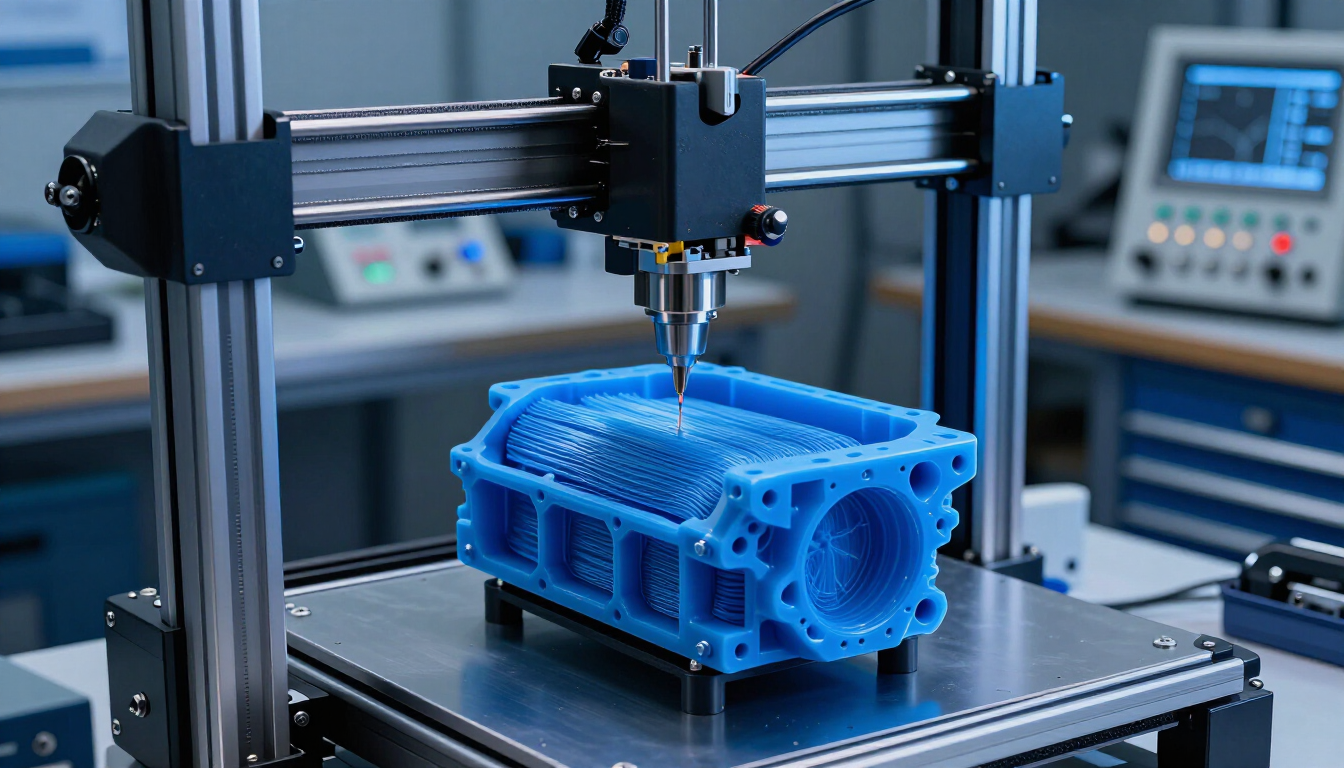
Gone are the days when "custom made" meant spending six months apprenticed to a master blacksmith just to get a window regulator fixed. Modern fabrication techniques, specifically Industrial 3D printing and CNC machining, have democratised the world of car restoration. We can now take a shattered, oily remnant of an original part and turn it into a high-strength, perfectly fitting replacement in a matter of days.
When we talk about custom classic vehicle parts in the 2020s, we aren't talking about the flimsy, stringy plastic you might see from a hobbyist’s desktop printer. We’re talking about Selective Laser Sintering (SLS) and high-grade resins that can withstand the heat of an engine bay and the chemical warfare of spilt petrol.
Here is why modern tech is winning the restoration war:
- Precision Accuracy: Scanners capture dimensions down to the micron, ensuring a factory-perfect fit.
- Material Science: We use UV-resistant and heat-stable polymers that outlast the original 70s factory plastics.
- No Minimum Order: You don’t need to buy 10,000 units; we can print just the one clip you’re missing.
- Digital Archiving: Once a part is scanned, it exists forever in the cloud, ready to be printed again.
- Weight Reduction: For those building restomods, we can optimise internal structures to save weight without losing strength.
By visiting our Car Parts Store , you can see how these techniques are already being used to stock items that were previously considered extinct. Whether it’s a specific dashboard vent or a bespoke spacer, the technology ensures that "discontinued" is no longer a death sentence for your car.
Is Modern Plastic Stronger Than the Original 1970s Mystery Goop?
Let’s be honest: car manufacturers in the 70s and 80s weren't exactly thinking about the year 2026. They used whatever polymers were cheap and available. These materials often had a shelf life shorter than a pint of milk in the Sahara. They warped in the sun, cracked in the cold, and generally gave up the ghost the moment the warranty expired.
Today, we use engineering-grade materials like Carbon-Fiber Reinforced Nylon and ASA (Acrylonitrile Styrene Acrylate). These aren't just fancy words to make us sound smart; they represent a massive leap in durability. ASA, for instance, is highly UV-resistant, meaning your new door handles won't turn into a chalky mess after one sunny weekend at a car show. This combination of original character and modern reliability is what keeps our Restoration Guides relevant for the next generation of petrolheads.
Recreating Discontinued Components with Reverse Engineering
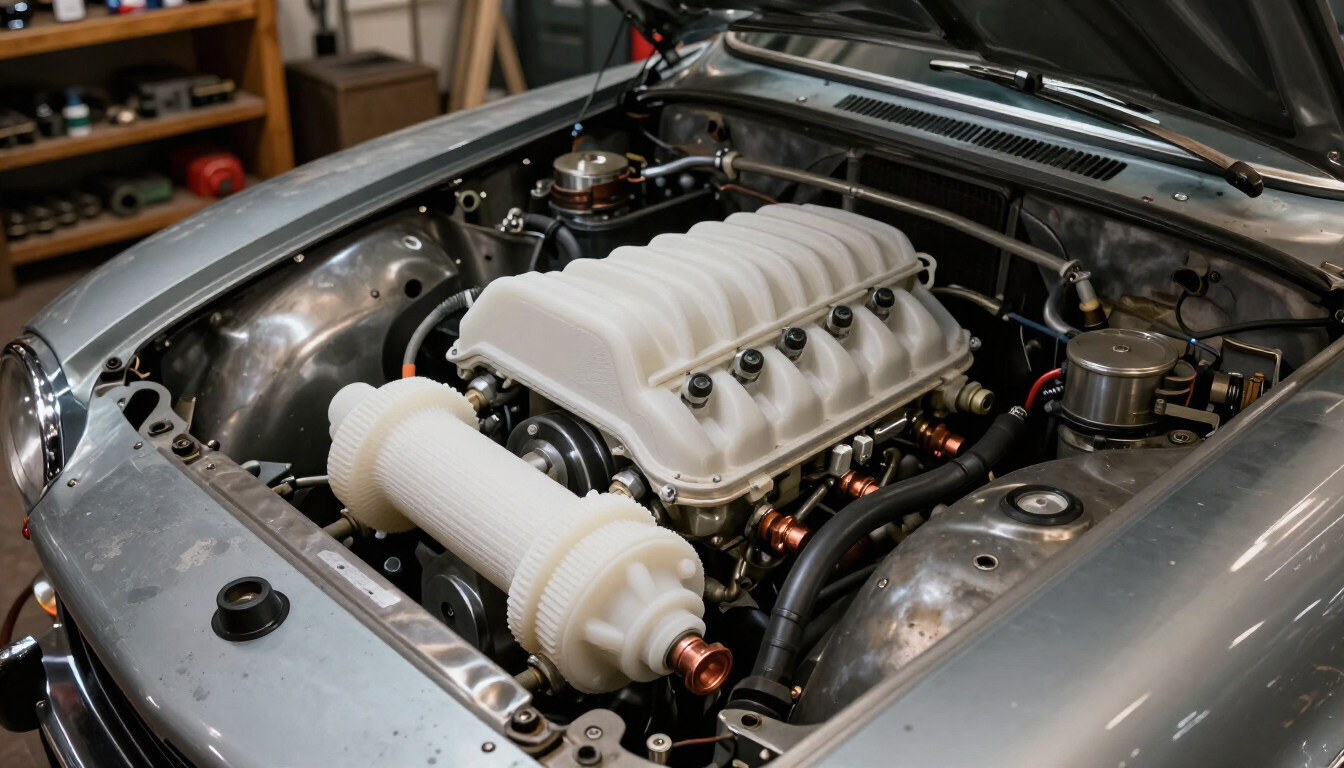
What happens when the part you need is so rare that even Google hasn't heard of it? This is where the magic of reverse engineering happens. If you have the original part—even if it’s in three pieces and held together by hope—we can often recreate it. This process involves a high-resolution 3D scan that creates a digital point cloud, which we then clean up in CAD (Computer-Aided Design) software to fix any original factory defects or age-related warping.
This service is particularly vital for those working on Custom Part Requests . You aren't just buying a part; you’re commissioning a piece of digital archaeology. We’ve seen everything from obsolete carburettor linkages to obscure interior trim for limited-run coachbuilt vehicles. The beauty of this approach is that we can actually improve the design. If a part was prone to snapping at a specific stress point back in 1974, we can thicken that area in the digital model before we hit 'print'. It’s like giving your car a bionic upgrade while keeping its vintage soul intact.
Why Bespoke Upgrades Beat "New Old Stock"
There is a certain prestige in finding a "New Old Stock" (NOS) part in its original, yellowing cardboard box. But before you pay a premium for it on Home or elsewhere, consider this: that part is 40 years old. The molecules inside the plastic have been plotting their escape since the day they were moulded.
Bespoke, freshly manufactured parts offer several advantages over NOS:
- Zero Fatigue: Your part hasn't spent decades vibrating in a warehouse or drying out.
- Modern Tolerances: We can often achieve tighter fits than the original mass-production machinery.
- Customisation: Want that gear knob in a different colour or with a custom logo? Easy.
- Availability: You don't have to wait for a rare listing to pop up; you just order what you need.
When you browse our Categories , you’ll find components that are designed to solve specific